
What Judges Really Notice in Your OWI Case
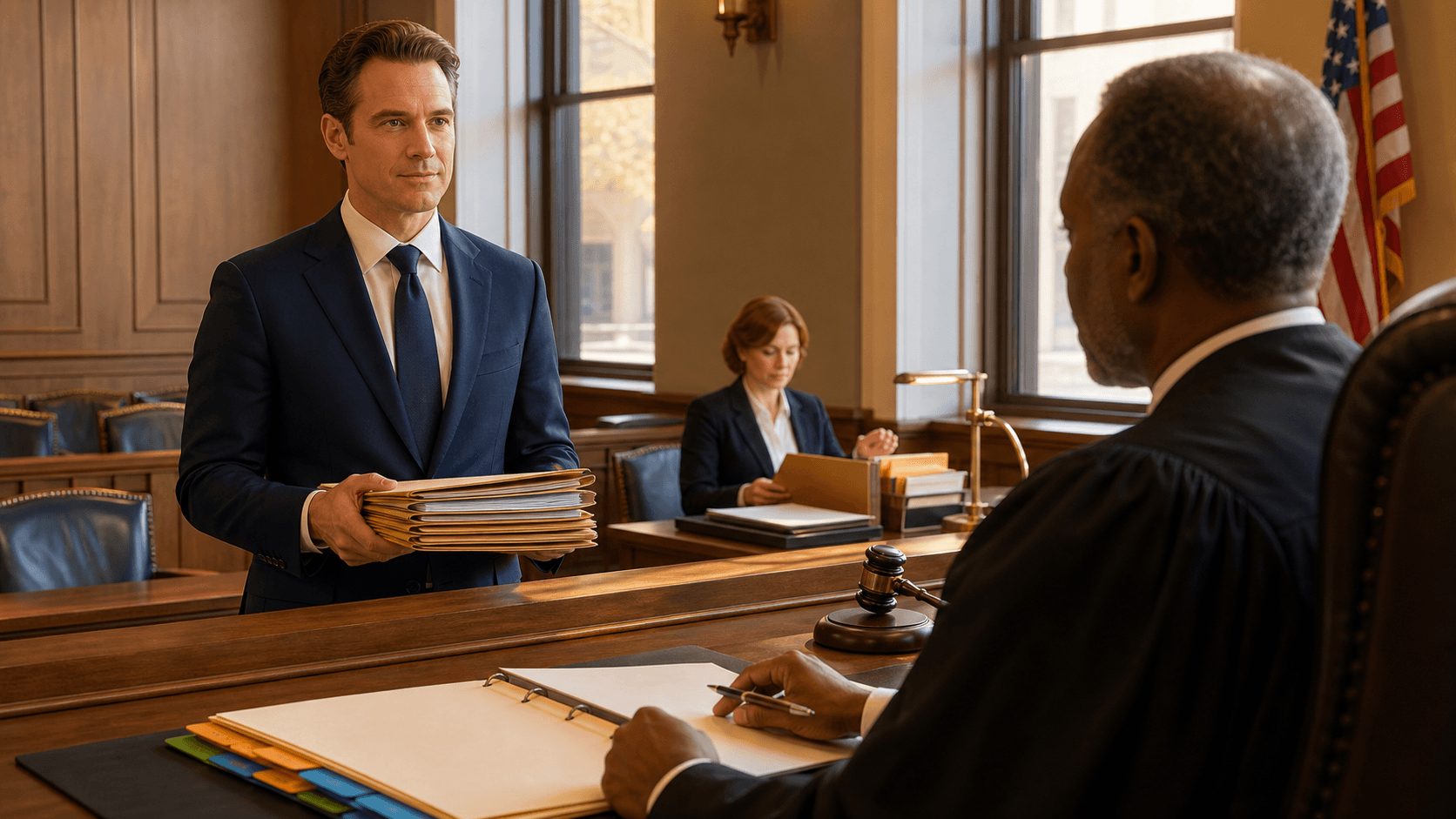
When you walk into a Michigan courtroom on an OWI charge, the judge is noticing more than the words your lawyer speaks. There are things that never get spoken on the record, but they still affect bond, plea talks, and what happens at sentencing.
We know that from both sides of the bench. Our firm is led by a former 15th District Court judge who now works as an OWI lawyer in Ann Arbor. We want to pull back the curtain a bit so you understand what actually matters in those short hearings that can change your life.
Summer in Michigan brings more traffic stops after games, bar nights, and weekends at the lake. Police are out in force, and OWI (often called DUI) charges rise. Even a first offense can mean a criminal record, license problems, and long-term fallout for work and school. Knowing what judges quietly notice gives you a chance to start fixing problems before you ever say a word in court.
In Michigan, OWI usually means operating a vehicle while impaired by alcohol or drugs, or with a blood alcohol level over the legal limit. There are different levels and related charges, but all of them matter. None are "no big deal." Even if it felt like "just another Saturday night" to you, it does not look that way from the bench.
Your Behavior During the Traffic Stop
Most judges begin forming an impression of you from one place: the police report. That report often gets more attention than anything you say at sentencing.
Judges pay close attention to how you acted during the stop, such as whether you:
- Handed over your license and insurance without a scene
- Stepped out of the car when asked, without arguing
- Avoided interrupting or talking over the officer
- Followed directions on the roadside
You do not have to agree that the officer was right about everything. But when a judge reads about swearing, yelling, or refusing simple directions, it sets a tone that can hurt you later. A roadside meltdown might feel satisfying in the moment, but it usually reads like a bad script when a judge sees it in black and white.
Field sobriety tests raise another set of questions. Judges look closely at whether you:
- Did you at least try the tests, or did you roll your eyes and refuse everything?
- Did you ask reasonable questions, or were you arguing every step?
- Did the officer note that you were cooperative even if you struggled physically?
Sometimes a jury will only see short video clips. Judges, on the other hand, usually see the whole narrative, along with any dash cam or body cam footage. Your tone, body language, and the small things you say matter. Jokes about "having a few," sarcastic comments about the officer, or bragging about how well you can "hold your liquor" can all undercut later claims that you take the case seriously. What sounds like bar humor at 1:00 a.m. rarely lands well at 9:00 a.m. in court.
As defense lawyers, we read these reports the way judges do, looking for both problems and possible strengths. That helps us decide what to highlight and what needs cleaning up before your next hearing.
What Your Social Media and Courtroom Image Say
These days, your case does not live only in the courtroom. Prosecutors and probation officers may look at social media. Judges hear about it, often in short but pointed comments.
Posts that can hurt you include:
- Bragging about drinking or partying right after your arrest
- Jokes about drunk driving or "beating the breath test"
- Photos that suggest you still drive after drinking
- Angry rants about police or the court process
That kind of content makes it harder for your lawyer to argue that this was a one-time mistake you deeply regret. The internet never forgets, and neither does a printout in your court file.
Your courtroom appearance sends another big signal. Judges notice if you:
- Arrive early and ready, rather than racing in at the last second
- Dress in a way that shows respect for the setting
- Put your phone away instead of scrolling in the hallway
- Pay attention when other cases are called, not just your own
A judge can see right away if you view court as an annoying errand or a serious legal problem. That perception bleeds into decisions about bond conditions, probation length, and what kind of monitoring you may face. Slippers and a wrinkled T‑shirt might be fine for the couch, but they send the wrong message in front of the bench.
Lifestyle details also come through in your presentence report and court file. Work history, school, parenting, and caregiving roles all matter. An OWI lawyer in Ann Arbor who knows the local courts can help you present a picture that is honest, responsible, and focused on change, not excuses.
How You Talk About Alcohol and Responsibility
What you say about alcohol itself often matters as much as what your blood alcohol level was. Judges listen very closely for certain phrases.
Red flag phrases include:
- "I was just unlucky."
- "Everyone does it."
- "It was only one time, what is the big deal?"
These comments sound like you do not fully accept the risk to other people on the road. Judges hear cases where real harm happens, so they tend to react strongly when someone minimizes impaired driving.
On the other hand, judges take note when someone clearly understands:
- That they could have hurt someone, even if no one was injured
- That alcohol or drug use has started to affect other parts of life
- That they need some structure or support to stay safe
Judges also look at patterns. Do you have any prior alcohol-related incidents, even civil infractions? Any old disturbing the peace or minor in possession cases? Even if they are not the same charge, they can shape a judge's sense of whether this was just one bad night or part of something more.
One thing that quietly helps many people is starting counseling, an alcohol education class, or AA on their own. Judges usually give credit for:
- Getting an assessment early
- Starting recommended treatment before being ordered
- Using an ignition interlock or other monitoring without being forced
That shows you are not just reacting to being caught, you are taking real steps to change, which can be especially important during seasons when social drinking is common. Voluntary effort looks a lot better than doing the bare minimum because the court is watching.
Your Choices After the Arrest
The story of your case does not end at the stop. Judges watch what you do with the time between arrest and sentencing.
Bond conditions are a big piece. Judges notice if you:
- Show up for every hearing, on time
- Follow alcohol testing rules, without missed or dirty tests
- Avoid new tickets, fights, or police contact
- Respect travel limits or reporting requirements
Even small violations can change things. A missed test or a new speeding ticket can make a judge doubt that you will follow probation rules. From the court's point of view, if you cannot follow simple bond rules, longer-term supervision starts to look risky.
Preparation matters as well. Bringing organized proof of:
- Steady employment or job search
- School or training programs
- Community involvement or volunteering
- Completed classes, counseling, or support groups
can shift the way a judge sees you. Instead of just a "risk," you start to look like someone who made a serious mistake and is actively repairing it.
The lawyer you choose affects how all of this is framed. An experienced OWI lawyer in Ann Arbor is familiar with local expectations and how Washtenaw County judges often approach these cases. That kind of experience helps turn your efforts into a clear, believable story, not just a stack of loose papers.
Turn Quiet Judicial Impressions Into Your Advantage
You cannot control every part of an OWI case. You cannot change the past night out, the traffic stop, or the arrest. But you have a lot of control over what judges quietly notice from this point forward.
How you act during court, what you do in your daily life, how you talk about alcohol and responsibility, and the way your lawyer presents your story all shape the outcome more than most people realize. With the right guidance, you can take a situation that feels overwhelming and start to show the court that this chapter of your life is going to look very different from the police report.
Protect Your Future With Experienced OWI Defense
If you are facing an OWI charge, you do not have to navigate the legal system alone. At the Law Office of Chris Easthope, our OWI lawyer in Ann Arbor can review your case, explain your options, and build a strategy focused on protecting your record, license, and livelihood. Reach out today so we can start assessing the evidence and working to minimize the impact of the charges against you. To schedule a consultation, please contact us.